
 中文
中文
 Français
Zhongda Market: a global hub for textile and apparel sourcing
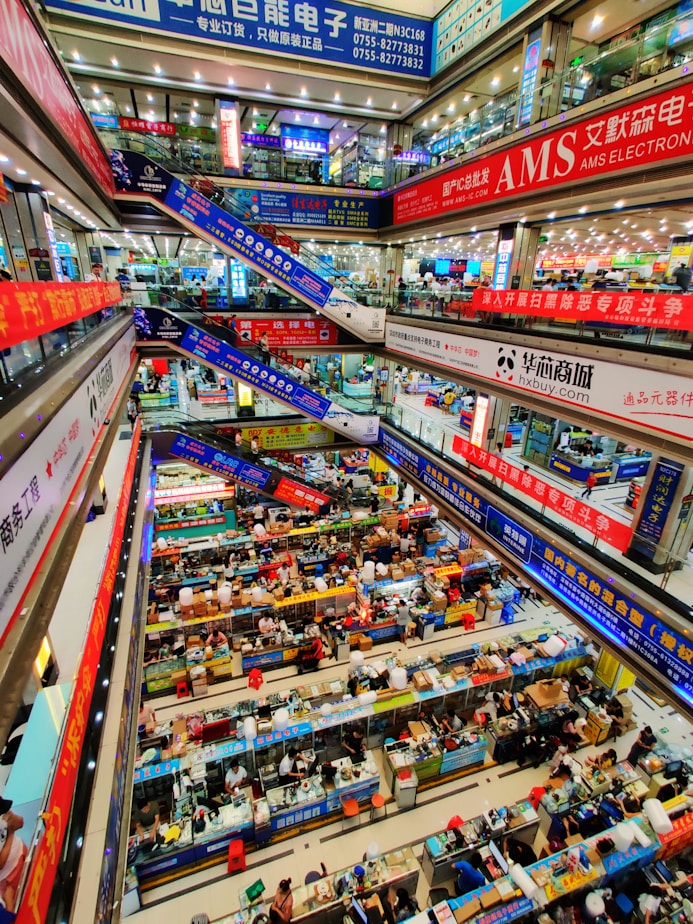
Zhongda Market is a textile sourcing ecosystem in Guangzhou, China, concentrating thousands of specialized suppliers across fabrics, trims, and garment production inputs.
Why buyers source from Zhongda Market
Suppliers, wholesalers, and service providers operate within the same district, forming a dense sourcing cluster supported by nearby garment production regions.

Supplier density
Thousands of specialized suppliers enable fast comparison and selection.

Speed and flexibility
Sampling, materials, and production can be coordinated in short cycles.

Cost optimization
Direct supplier access enables pricing comparison and negotiation.
How sourcing works
Sourcing in Zhongda Market is decentralized. Buyers interact directly with multiple independent suppliers, managing communication, pricing, and logistics separately for each vendor.
Each supplier operates independently, with no unified workflow or shared visibility across sourcing operations.
Identify suppliers across categories
Request quotes and samples from each supplier
Negotiate pricing and specifications individually
Place and track multiple orders

Where sourcing becomes complex
As supplier count increases, sourcing stops being a selection problem and becomes a coordination problem.
What begins as flexible sourcing turns into a fragmented workflow across suppliers, documents, and logistics steps. Zhongda's scale enables fast, multi-component sourcing, but introduces coordination overhead across independent suppliers.

Fragmented supplier management
Each supplier requires separate communication, negotiation, and follow-up.

Multiple shipments and costs
Orders are processed and shipped independently, increasing logistics complexity and expenses.

Quality control across suppliers
Product consistency must be verified at each step, often without centralized visibility.

Operational overhead
Coordinating sourcing, tracking, and delivery across suppliers increases workload and risk of errors.